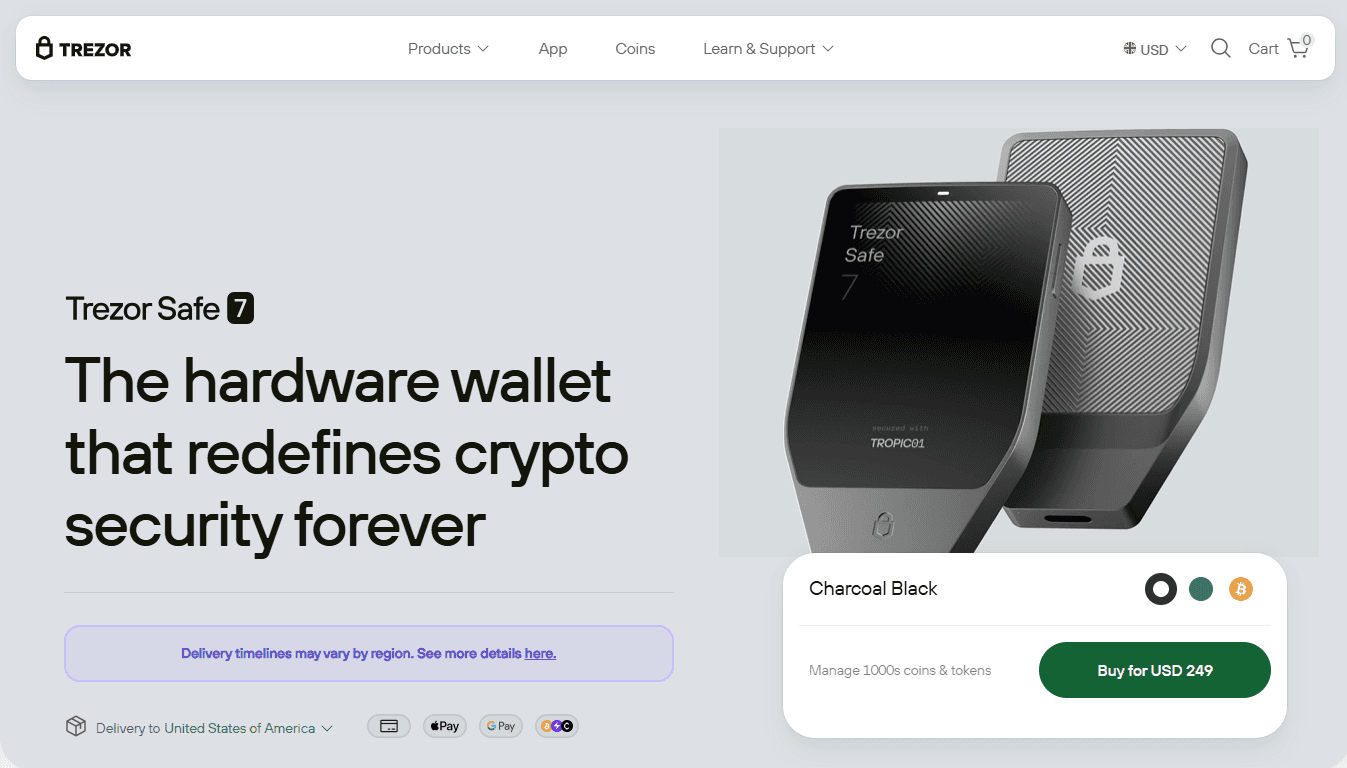
Getting Started with Trezor: Your Ultimate Guide to Securing Cryptocurrencies
In the world of cryptocurrency, security is paramount. While exchanges and software wallets offer convenience, they are often vulnerable to hacks or other threats. This is where Trezor comes in—a hardware wallet that provides an extra layer of protection for your digital assets. If you’ve recently purchased a Trezor device or are planning to, you’re probably wondering how to get started.
In this guide, we’ll walk you through the essential steps to set up your Trezor wallet using Trezor.io/start. Let’s dive in!
What is Trezor?
Trezor is a brand of cryptocurrency hardware wallets developed by SatoshiLabs. It allows you to store your private keys offline in a secure physical device, which is significantly more resistant to hacks than software wallets or exchanges. Trezor supports a wide variety of cryptocurrencies and integrates with several third-party apps to provide a seamless user experience.
The two primary models offered by Trezor are:
Trezor One: The more affordable model, providing robust security for your digital assets.
Trezor Model T: A more advanced version, offering a touch screen, a wider range of supported coins, and other premium features.
Now, let’s focus on the setup process.
Step 1: Unbox and Connect Your Trezor
When you receive your Trezor hardware wallet, the first step is to unbox it. You should see the following:
Your Trezor device (Trezor One or Model T)
A USB cable
A recovery seed card (make sure you keep this safe!)
A quick start guide
Once unboxed, connect your Trezor device to your computer using the provided USB cable.
Step 2: Visit Trezor.io/start
Now, open your preferred web browser and go to Trezor.io/start. This will take you to the official Trezor setup page where you can follow the necessary steps to initialize your device securely.
Step 3: Install Trezor Bridge or Trezor Suite
If this is your first time setting up a Trezor wallet, the website will prompt you to install the Trezor Bridge or Trezor Suite.
Trezor Bridge is a lightweight application that connects your Trezor device to the web browser.
Trezor Suite is a full-featured desktop application that provides a comprehensive experience for managing your cryptocurrencies and viewing your portfolio.
You can choose either option, but Trezor Suite offers a more robust interface with advanced features like transaction signing, balance tracking, and firmware updates.
Download and install the appropriate software for your operating system (Windows, macOS, or Linux).
Step 4: Set Up Your Trezor Device
Once the software is installed, launch Trezor Suite (or open your browser if you opted for Trezor Bridge). The software will automatically detect your Trezor device.
Device Initialization: You'll be asked to create a new wallet or restore an existing one. If this is your first time using Trezor, select Create a new wallet.
Pin Setup: Next, you will be prompted to create a PIN code. This PIN will be used to unlock your Trezor device each time you connect it. Choose something secure, but memorable.
Recovery Seed: The most critical part of the setup process is the recovery seed. This is a 12 or 24-word phrase that acts as a backup for your wallet. Write it down on the recovery seed card provided and store it in a safe place. Do not store this digitally, as it could be hacked.
This seed is the only way to recover your wallet if your Trezor device is lost, stolen, or damaged, so it’s vital that you keep it secure.
Step 5: Create Your First Wallet
Once you’ve completed the setup, you can create your first cryptocurrency wallet. Trezor supports a variety of coins including Bitcoin, Ethereum, Litecoin, and many others.
You can create individual wallets for each supported cryptocurrency and manage them all through Trezor Suite or a compatible third-party app.
Step 6: Sending and Receiving Cryptocurrencies
With your wallet set up, you’re now ready to send and receive cryptocurrencies. The Trezor interface makes it easy to generate receiving addresses for any of your wallets.
To receive funds:
Simply select the cryptocurrency you want to receive.
Click on Receive to generate a unique wallet address.
Share the address with the sender.
To send funds:
Select the cryptocurrency you want to send.
Enter the recipient’s address and the amount to send.
Confirm the transaction using your Trezor device.
Step 7: Keep Your Trezor Secure
Security doesn’t stop once your wallet is set up. Here are a few additional tips to ensure your Trezor remains as secure as possible:
Always use the official Trezor website (Trezor.io) and software to avoid phishing scams.
Enable passphrase protection for an additional layer of security on your recovery seed.
Regularly update your device's firmware to stay protected against vulnerabilities.
Keep your recovery seed private and store it in a secure location—consider using a fireproof safe.
Conclusion
Setting up a Trezor hardware wallet through Trezor.io/start is straightforward and essential if you're serious about securing your cryptocurrency. The device’s offline nature provides superior protection against hacking attempts, giving you peace of mind when storing your digital assets